








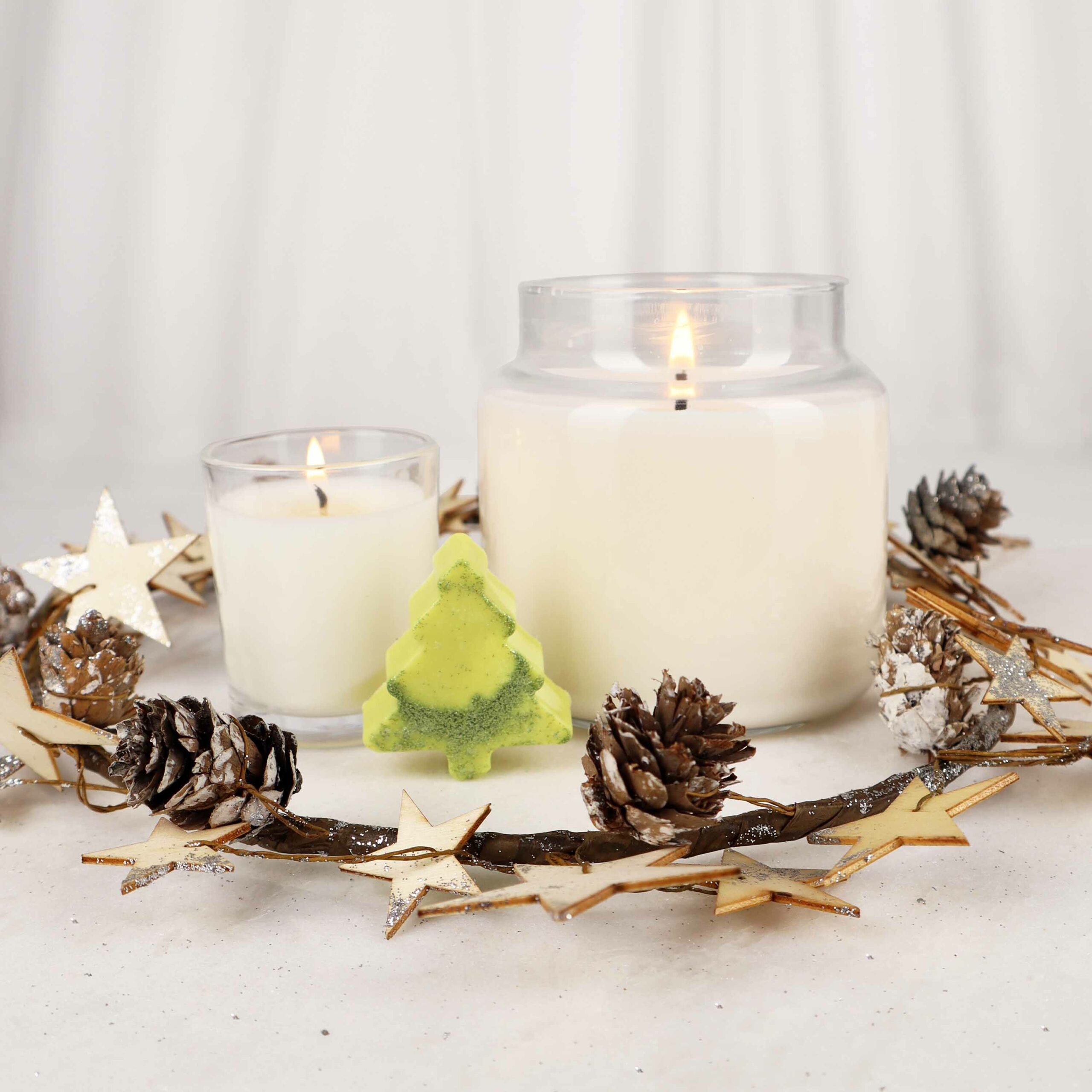
Homemade wax melts can turn a simple kitchen activity into a custom scent experience. When you mix soy wax with pure essential oils and fruit zest (like in these DIY Christmas wax melt recipes), you get total freedom to hit those seasonal notes you love. And because you’re working with all natural ingredients, anyone can whip up balanced blends that feel genuinely natural and festive. If you prefer the classic look, you can even add a hint of wax dye.
Want to learn how to make affordable, sustainable wax melts using winter’s best? This guide covers everything from the basics to getting super creative with essential oil blend pairings. Each section hands you practical, straightforward advice on materials, methods, and variations. It’s all about turning everyday produce into distinctive winter aromas for your scented wax melts.
The Allure Of DIY Wax Melts: Benefits Beyond The Scent
DIY wax melts are brilliant for anyone who loves being creative and practical at the same time. You control every single ingredient, meaning you make scented wax that is safer and way more personalised than the stuff you buy in shops. Sticking to natural waxes like soy wax or beeswax is a simple way to cut down on the synthetic additives often found in commercial melts, like paraffin wax. The ultimate result is a lovely aromatic wax for your wax warmer.
The process of making wax melts itself is actually quite calming and productive. Melting, mixing, and pouring wax becomes an easy craft that really makes you focus and is actually quite fun.
| Benefit | Description |
| Ingredient Control | Makers choose natural wax and essential oils, skipping synthetic fragrances. |
| Customisation | Scents, shapes, and colours can match any mood, décor, or season. |
| Sustainability | Using plant-based or recycled ingredients keeps waste low. |
| Cost Efficiency | DIY recipes save you a ton of money over time compared to store-bought melts. |
Gathering Your Essentials: Ingredients & Tools
To get a great batch of wax melts, you need decent materials and prep. Using clean, natural ingredients and reliable supplies is key: it guarantees consistent results, improves safety, and gives you a much better fragrance experience.
Choosing Your Wax
The wax you pick dictates a few things: the scent throw, the melting temperature, and that finished texture. Soy wax is a reliable, biodegradable choice; it holds fragrance well and melts evenly. Beeswax adds a subtle honey aroma and a firmer texture, though you’ll need higher heat. Coconut wax gives you that smooth consistency and a long-lasting scent release.
Blending waxes is a brilliant way to customise your performance. Just keep your additives minimal! This stops them from messing with the fragrance or natural colourants/wax dye.
The Star Ingredients: Winter Seasonal Produce
Incorporating winter produce lends serious unique character and colour. We really love dried orange slices or cranberry bits. They inject subtle fruit notes and look fantastic. Finely ground cinnamon sticks and nutmeg spices add mild spice. And candied ginger or dried apple chips complement warm scent profiles well. You can even try a hint of lavender or rosemary!
Quick tip: a blanching or oven-drying step prevents moisture problems when adding fruit or herbs. Make sure every single inclusion cools and dries completely before you mix it with the melted wax.
Complementary Scents: Essential Oils & Natural Fragrances
Essential oils give wax melts depth and personality. For winter, we usually pick clove, pine, peppermint, and sweet orange. These are perfect when paired with soft base notes like vanilla or cedarwood. You could also try a touch of lemon.
A quick guideline: stick to the 6–10% fragrance load rule to avoid overpowering the wax. Luckily, fragrance oils certified as phthalate-free or skin-safe give you wide options for personalisation.
Essential Equipment For Wax Melt Making
Good tools mean better safety and control.
- Melting: A double boiler or wax melting pot prevents scorching. You can use a sauce pan with a glass bowl on top.
- Temperature: A thermometer keeps things steady. Aim for 70°C and 85°C (160°F and 185°F), depending on the wax type.
- Pouring: You’ll absolutely need silicone molds or clamshell containers for easy release and a heat-safe jug for precision.
- Measuring: A scale and measuring cup ensures accurate wax-to-oil ratios.
The Basic Wax Melt Recipe: Your Foundation For Winter Scents
Let’s nail the base! Every winter scent needs a simple, reliable blend of wax, fragrance, and binding oils. A stable base is important: it means even melting, a strong scent throw, and an aroma that lasts.
| Ingredient | Typical Ratio | Why It Works |
| Soy wax flakes | 1 cup | Gives a clean, even melt. |
| Coconut oil | 1 tbsp | Softens the texture. |
| Essential oils | 30–40 drops | That’s your fragrance! |
| Optional colourant | few drops | Just for decoration/wax dye. |
To get started:
- Melt the soy wax flakes in a double boiler until they’re fully melted and clear.
- Stir in the coconut oil to create a smoother blend.
- Take it off the heat before you add fragrance oils like orange, cinnamon, or pine.
- Carefully pour the mixture into silicone molds and let it cool for about an hour.
- Once set, pop the finished wax melts out and store them in an airtight container for at least 24 hours before warming.
Quick Success Tips
Always use high-quality soy or beeswax for a cleaner burn and better scent throw. Whatever you do, don’t overheat the wax; hot temperatures ruin scent potency. This also ensures easy cleanup.
Winter Seasonal Produce Wax Melt Recipe Ideas
Christmas’s bounty gives us ingredients that really complement natural wax bases, bringing crisp, fruity, and spices smells into your home. These ideas are perfect for the holiday season.
- Cranberry Orange Zest Melts: These are bright and tart! They feature cranberry paired with the clean sweetness of orange peel. Blending dried cranberry pieces with orange essential oil gives them depth.
- Spiced Apple & Cinnamon Bark Melts: For warmth, you can’t beat apple and cinnamon. Put dehydrated apple slices right into the molds – it adds great fragrance and decoration. Melt your soy wax up to $85^\circ \text{C}$, then blend cinnamon bark and clove essential oils.
- Gingerbread Spice Melts: Want that classic gingerbread aroma? Skip the synthetic stuff and use natural spice oils! We combine cinnamon, nutmeg, clove, and just a hint of molasses fragrance oil. Melt the wax, then quickly mix in the spices right before pouring.
- Pine Forest & Citrus Peel Melts: This one is all about mixing crisp evergreen, perhaps reminiscent of a christmas tree, with bright citrus. We use pine, fir needle, and citrus peel oils to get a scent that’s balanced but still incredibly fresh.
- Peppermint Snow Melts: Peppermint provides a clean, cool scent, just perfect for clearing the air. These melts often use peppermint essential oil combined with eucalyptus or spearmint oil for complexity.
Creative Variations: Beyond The Standard Melt
Playing around with wax is honestly way more fun than just pouring it into basic cubes. You can fill your wax melt moulds with seasonal bits: think dried orange, pine sprigs, cinnamon sticks. They bring in this cosy texture and a whiff of something real.
Making Hanging Wax Fresheners
Hanging wax fresheners are surprisingly useful. The process is straightforward: melt soy or beeswax, stir in essential oils, and pour into molds. Just make sure you drop in a loop of twine before the wax sets. Wait until it is completely cool to unmold.
Frequently Asked Questions
What are some popular winter seasonal fruits and vegetables that can be incorporated into wax melts?
I love oranges, cranberries, pomegranates, and pears. Their oils or extracts give such a bright, tart twist. You know what’s odd? Pumpkin and beet. They actually add a subtle earthy note that works surprisingly well with spicy or woodsy scents.
How do I create a wax melt with a scent reminiscent of winter holidays?
You need layers! Go for evergreen, citrus, and warm spices. Trust me, pine or fir with a bit of vanilla and orange peel is basically the holidays in wax form. It’s a classic for a reason.
Can you suggest any natural additives for enhancing the aroma of winter-themed wax melts?
Dried rosemary, thyme, or sage. Those are easy wins for both scent and looks. A sprinkle of crushed cloves, cinnamon bark, or a few cardamom pods adds just enough warmth and visual appeal.
What are essential oil blends that capture the essence of winter for homemade wax melts?
If you want fresh but not too sharp, try cedarwood, eucalyptus, and sweet orange. Or, for that “baked goods by the fire” feeling, you can’t go wrong with nutmeg, cinnamon, and vanilla. These are also great scented wax melts ideas instead of burning candles.
How can I safely integrate spices typically used in winter cooking into my wax melt recipes?
If you’re using powdered or whole spices, let them infuse into the melted wax instead of dumping them in dry. Strain the wax through a fine mesh before pouring it into molds. Nobody wants burnt spice bits or smells.
What techniques can be used to effectively mix winter produce extracts into wax for melting?
You’ll want to dissolve those concentrated fruit or herb extracts in a carrier oil first. Don’t just toss them straight in. Slowly stir the mixture into your melted wax, keeping the heat low and steady. That way, you’re less likely to end up with weird clumps or separation.